
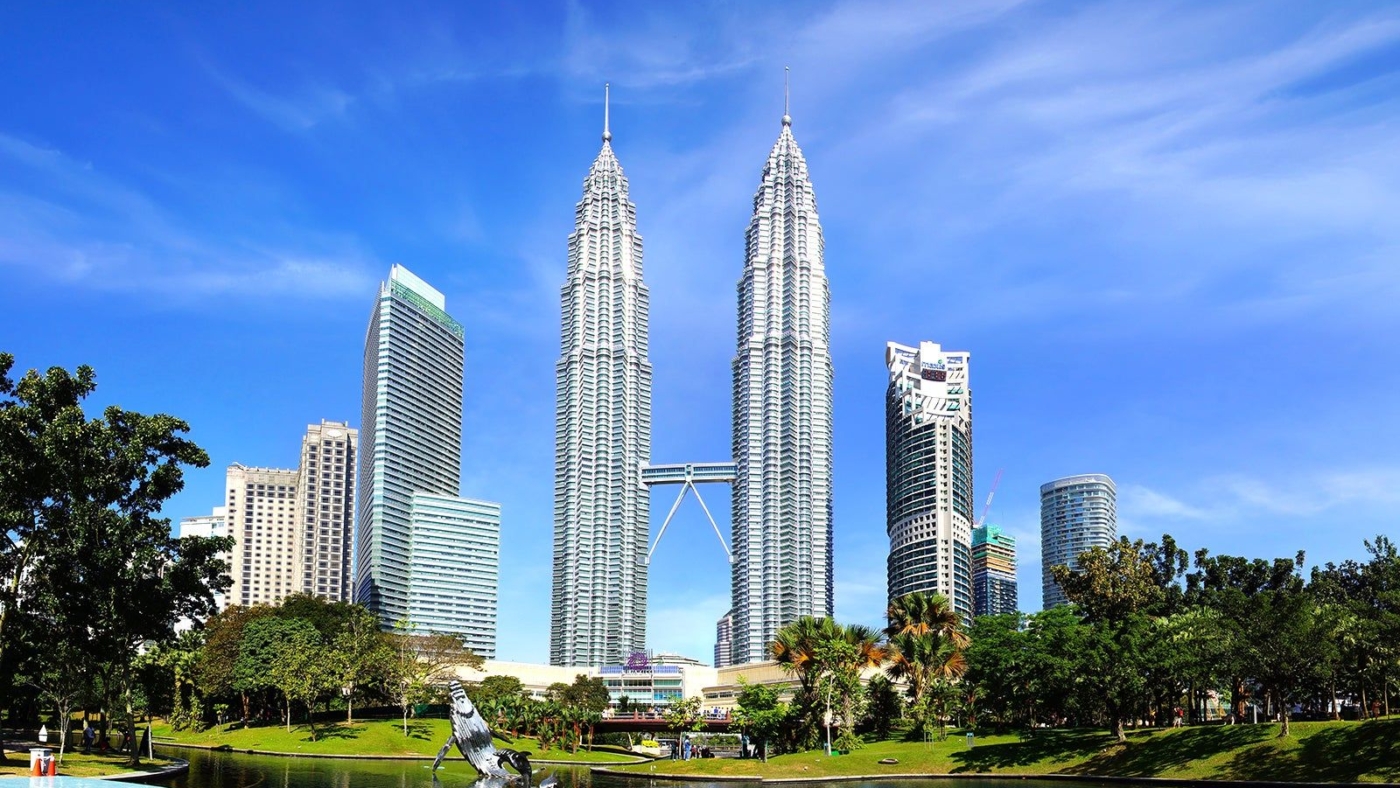
Malaysia is appealing for reasons that go well beyond climate and cost of living. For many globally mobile families, retirees, and investors, the real question is whether the Malaysia MM2H requirements align with their income, assets, lifestyle plans, and long-term goals. That is where careful planning matters, because MM2H is not simply a tourism option – it is a residency pathway with specific financial and compliance expectations.
What are the Malaysia MM2H requirements?
Malaysia My Second Home, commonly called MM2H, is a long-term residence program designed for eligible foreign nationals who want to live in Malaysia on a renewable basis. The program has changed over time, and that history matters. Many people still rely on outdated articles or old social media advice, which can create confusion about what is actually required now.
At a practical level, the Malaysia MM2H requirements usually center on age, fixed deposit commitments, physical presence, and approved expenditure or property investment activity in Malaysia. Applicants also need to satisfy health, character, and documentation standards. The exact thresholds can shift when policy settings are revised, so any serious application should be assessed against the latest rules in force at the time of filing.
Core Malaysia MM2H requirements to review first
The first area most applicants look at is age. MM2H has typically distinguished between different age brackets, and age can influence how financial conditions are applied. If you are applying as a principal applicant with a spouse or children, it is worth checking not only your own eligibility but also how your dependents fit within the program rules.
Financial capacity is usually the biggest gatekeeper. Authorities generally want to see that applicants can support themselves in Malaysia without becoming financially dependent on the local system. This often means showing sufficient liquid assets, and placing a required amount into a Malaysian fixed deposit after approval. These measures are designed to show both wealth and stability.
Health and character checks also matter. Applicants are commonly expected to undergo medical screening and hold valid medical insurance, subject to any age-related or insurer-specific limitations. A clean background and properly certified documentation are equally important. Even where an applicant is financially strong, weak paperwork can slow the process or create avoidable requests for further evidence.
The minimum physical stay requirement is another point people sometimes underestimate. Some assume MM2H is a passive residency status that can be maintained with little or no time spent in Malaysia. In practice, there are usually residence expectations that need to be met. If your work, schooling, or travel pattern involves spending most of the year elsewhere, that should be discussed early before you commit to the program.
Financial requirements and why they matter
For most applicants, the financial rules are the deciding factor. MM2H requires a fixed deposit to be placed in Malaysia once the application is approved. Depending on the latest framework, these thresholds may also differ by category.
What matters here is not just the amount, but the evidence. Income should be clearly documented and traceable. Authorities may look more favorably on funds that are easy to verify through bank statements and formal financial records than on complicated holdings that require interpretation.
Applicants also need to plan for how the fixed deposit affects their cash flow. While part of the deposit may in some cases be withdrawn later for approved expenses such as property purchase, healthcare, or education, that does not mean the money is freely available from day one. If too much of your capital is tied up in a deposit, your practical relocation budget may feel tighter than expected.
This is where professional guidance can make a real difference. A strong application is not only about showing wealth. It is about presenting financial eligibility in the format decision-makers expect, with clean supporting evidence and a realistic strategy for meeting post-approval obligations.
Property, dependents, and lifestyle planning
Many people exploring MM2H also want clarity on buying property in Malaysia. Property can be relevant to the program, but it should not be treated as a shortcut. Minimum purchase values can apply, and state-level property rules may differ. In other words, the right home for your family and the right investment for compliance purposes are not always the same thing.
Dependents are another major planning area. Spouses and children may often be included, but documentation standards can become more detailed when family members are added. Birth certificates, marriage certificates, passports, education records, and medical documents all need to be accurate and consistent. A small discrepancy in names, dates, or translations can lead to unnecessary delays.
There is also a practical lifestyle question beneath the formal requirements. MM2H may suit retirees who want a long-term base, families seeking education options, and investors looking for regional flexibility. But it may be less suitable for someone who wants immediate work rights or who expects total freedom from ongoing compliance. The best residency pathway is not always the one with the most attractive headline. It is the one that fits how you actually plan to live.
Common mistakes when assessing MM2H eligibility
One common mistake is relying on old financial thresholds. MM2H has gone through revisions, and outdated information can lead people to assume they qualify when they do not, or to delay applying when they may in fact be eligible under the current structure.
Another is treating pre-approval and post-approval steps as if they were the same thing. Some applicants focus entirely on getting approved in principle and only later think about insurance, deposit placement, local compliance, or minimum stay obligations. That can create pressure at exactly the stage when you want certainty.
A third issue is incomplete evidence. Immigration programs are rarely won on good intentions. If an income source is irregular, if assets are held across several jurisdictions, or if civil documents are not immediately usable, those issues need to be addressed before submission. Strong case preparation often saves far more time than rushed filing.
How to approach the application with confidence
If you are serious about MM2H, start with a structured eligibility review. Look at your age, household composition, income, asset position, insurance options, and expected time in Malaysia. Then assess whether your documents actually prove what the program requires. There is often a gap between being eligible in principle and being ready to apply.
The next step is strategy. Some applicants need to decide whether to apply now or wait until a financial milestone is reached. Others need help deciding whether MM2H is the right path compared with other residency options in the region. An experienced advisory team can help identify not only whether you qualify, but whether the pathway supports your longer-term relocation goals.
For clients who want guidance from first assessment to final submission, Living Without Borders approaches MM2H the same way it approaches all major migration decisions – with clear advice, ethical support, and close attention to compliance. That matters because residency planning is rarely just paperwork. It affects where your family lives, studies, invests, and builds its future.
Is MM2H right for you?
The malaysia mm2h requirements are best understood as a filter for fit rather than a simple checklist. Yes, the numbers matter. So do the documents. But the bigger issue is whether the program matches your financial profile, family needs, and intended use of Malaysian residency.
For some applicants, MM2H is an excellent platform for long-term lifestyle mobility in Asia. For others, the financial commitments, stay rules, or documentation burden may mean another route is more practical. A confident decision starts with accurate, current advice and a realistic view of both the opportunity and the obligations. If Malaysia is on your shortlist, taking the time to assess the program properly is one of the smartest first moves you can make.
[…] a partner visa, a student pathway, family reunification, or a long-term residency option such as MM2H, the strongest applications are not just complete. They are accurate, well-supported, and aligned […]
[…] of creating contradictions. That is particularly important for clients considering Australia, Malaysia, or New Zealand, where the right pathway can depend on age, family composition, financial profile, […]
[…] should first understand the current MM2H requirements that apply to your profile, including financial thresholds, documentation standards, and any […]
[…] MM2H requirements can change, including age thresholds, financial criteria, fixed-deposit expectations, residence obligations, and conditions attached to different program categories. An applicant may be eligible under information they found months ago, yet fail to meet the requirements that apply when the application is lodged or reviewed. […]
[…] Federal MM2H criteria have changed several times, so applicants should treat published figures as a starting point rather than a permanent guarantee. Program rules, application procedures, and documentation standards should always be verified before funds are transferred or property is purchased. […]
[…] confirm whether a child can be endorsed under the principal holder’s approved pass or whether a separate dependent pass process […]
[…] post, a social media video, or a friend’s previous experience. Current rules, document standards, financial thresholds, and dependent eligibility must be checked before […]