
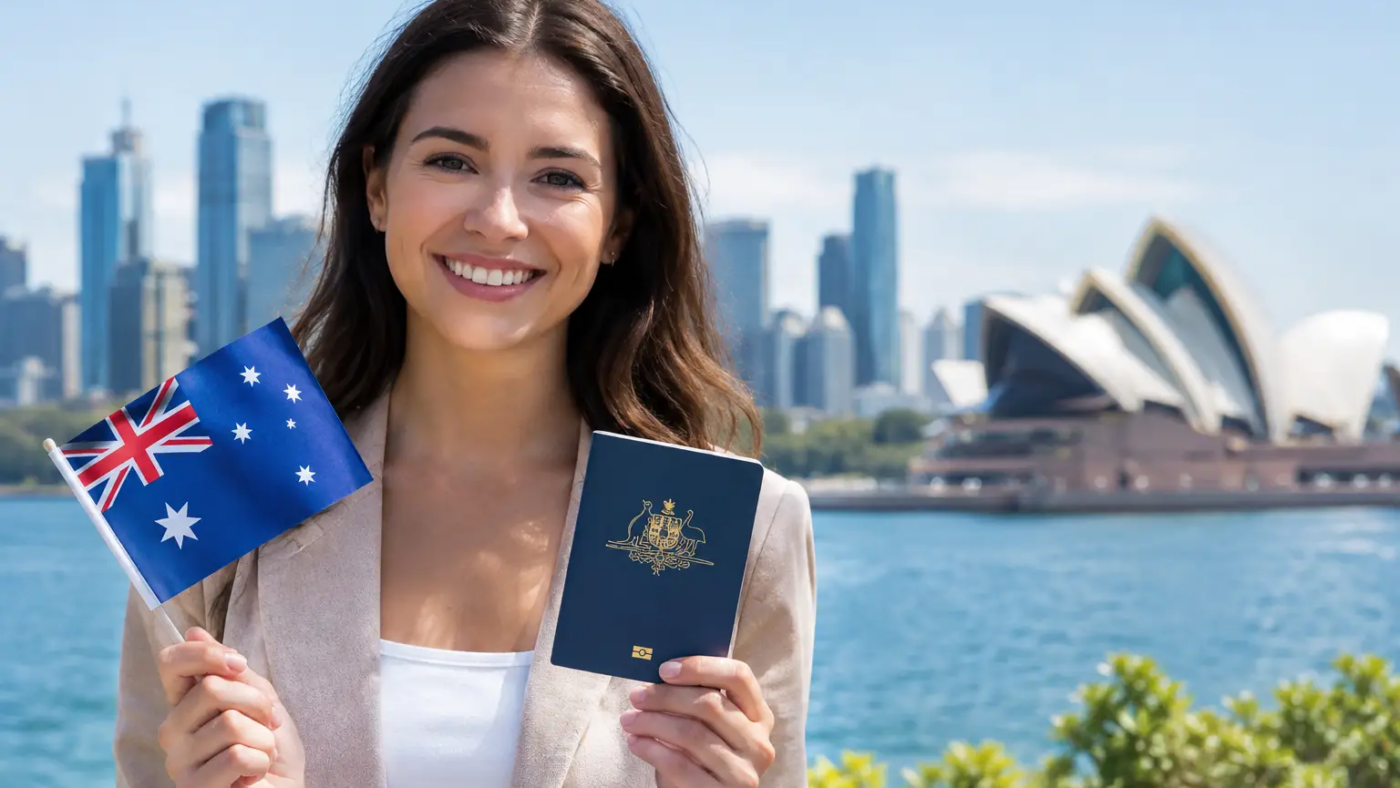
A job offer, a partner, a university place, or the wish to give children more options can all lead to the same question: what is the real difference between Australian citizenship versus residency? The answer affects far more than a visa label. It shapes your ability to travel, vote, access certain opportunities, build a permanent home, and pass status to the next generation.
For many families and professionals, Australian permanent residency is the practical foundation for a life in Australia. Citizenship is often the longer-term goal. They are connected, but they are not interchangeable, and choosing the right pathway begins with understanding what each status means for your circumstances.
Australian citizenship versus residency: the core difference
Australian citizenship is a permanent legal status and a formal membership in the Australian community. A citizen can hold an Australian passport, vote in elections when enrolled, return to Australia without needing a visa, and generally pass citizenship to children born in Australia, subject to the applicable rules.
Australian residency, in migration conversations, usually refers to permanent residency. A permanent resident holds a permanent visa that allows them to live, work, and study in Australia indefinitely. Permanent residency gives people substantial security and many of the day-to-day rights needed to establish a life in Australia, but it does not make them Australian citizens.
This distinction matters because the word “resident” can mean different things in different settings. A temporary visa holder may be an Australian resident for tax purposes or live in the country for years, but they are not necessarily a permanent resident under immigration law. When planning a migration strategy, always separate visa status from tax residency and citizenship status.
What permanent residency allows you to do
Permanent residency is a major milestone for people who want Australia to become their long-term home without immediately pursuing citizenship. It can be obtained through several pathways, including skilled migration, partner and family visas, and certain employer-sponsored or humanitarian routes.
A permanent resident can usually live, work, and study anywhere in Australia without a time limit on their stay. They may enroll in Medicare, subject to eligibility requirements, sponsor eligible relatives for visas, and access some social security payments after any applicable waiting periods. Children of Australian permanent residents who are born in Australia are generally Australian citizens at birth.
However, a permanent visa and the right to travel are not exactly the same thing. Most permanent visas include a travel facility, often valid for five years. During that period, a permanent resident can leave and re-enter Australia as often as needed. Once the travel facility expires, the person can remain in Australia indefinitely, but they generally need a Resident Return Visa before traveling overseas and returning as a permanent resident.
For a globally mobile family, this can be an important practical consideration. A career assignment abroad, care for relatives overseas, or a business opportunity in another country may require advance planning to preserve the ability to return.
What Australian citizenship adds
Citizenship provides a stronger and more enduring connection to Australia. The most visible benefit is the right to apply for an Australian passport. This can simplify international travel and guarantees the right to enter Australia without relying on a visa or travel facility.
Citizens can also vote in federal, state, and local elections where enrolled and eligible. They may seek certain government and defense roles that require citizenship, and they have broader civic participation rights. While permanent residents have access to many public services, citizenship can provide greater certainty for families who see Australia as their lasting base.
Citizenship can also reduce administrative concerns. A citizen does not need to monitor the expiry of a travel facility or apply for a Resident Return Visa after time overseas. This is particularly valuable for people whose work, investments, or family responsibilities span multiple countries.
Australia generally allows dual citizenship. That said, another country may restrict, tax, or impose conditions on acquiring a second nationality. Before applying, it is wise to consider the rules of your current country of citizenship, especially where inheritance, military obligations, property ownership, or family rights may be affected.
The path from permanent residency to citizenship
Permanent residency is commonly, though not always, the stepping stone to Australian citizenship. Meeting the residence requirement is not simply a matter of counting years from the date you received permanent residency.
In most cases, an adult applicant must have lived in Australia on a valid visa for four years immediately before applying, including the last 12 months as a permanent resident. Absences from Australia also matter. Generally, applicants must not have been absent for more than 12 months in total during the four-year period, including no more than 90 days in the final 12 months before applying.
Applicants aged 18 and over usually need to meet a good-character requirement. Most applicants between 18 and 59 are also expected to pass the citizenship test, which assesses knowledge of Australia, its democratic values, responsibilities, and basic English-language understanding. There are exemptions and special rules for some applicants, including children and people with particular circumstances.
Eligibility rules can change, and the correct calculation depends on your visa history, travel record, and individual situation. Someone who held a temporary skilled, student, or partner visa before becoming a permanent resident may be able to count part of that lawful time in Australia toward the four-year requirement. By contrast, frequent international travel can delay an otherwise well-planned application.
Which status is right for your plans?
For some people, permanent residency is enough. A skilled professional may want the freedom to work and settle in Australia while retaining strong ties to another country. A parent may prioritize access to education, health care, and long-term stability for their family. A partner visa holder may be focused first on building a shared life in Australia.
For others, citizenship is the clearer destination. This is often the case for families seeking maximum permanence, professionals interested in roles with citizenship requirements, and people who expect to travel regularly without visa-related restrictions. It can also bring reassurance to those who want a secure legal connection to Australia that is not dependent on maintaining a permanent visa.
The decision is not only about benefits. It can involve identity, family obligations, tax planning, mobility, and the laws of another country. There is no universal answer, but there should be a deliberate plan.
Common misunderstandings to avoid
One common misunderstanding is that permanent residents can vote in Australian elections. In general, voting rights are reserved for Australian citizens, although limited historical exceptions may apply to certain British subjects already enrolled before 1984.
Another is that permanent residency automatically means unrestricted international travel forever. It does not. The permanent visa permits indefinite residence in Australia, but the travel facility has an expiry date. Keeping track of that date is essential if overseas travel is part of your life.
It is also inaccurate to assume citizenship is automatic after a certain number of years. An eligible person must apply, satisfy the legal criteria, complete required steps, and wait for a decision. A citizenship ceremony is generally the final stage before a person becomes an Australian citizen.
Finally, citizenship should not be treated as a shortcut around a weak migration foundation. Your visa pathway, compliance history, documentation, and travel patterns all deserve careful attention from the outset. A well-managed permanent residency application can make the later citizenship process more straightforward.
Planning with your family and future in mind
A migration decision is rarely just about the next visa. It may shape where your children study, how easily your family can reunite, whether you can accept an overseas assignment, and how confidently you can make long-term financial commitments.
At Living Without Borders, we encourage clients to view residency and citizenship as stages of a broader international life plan. The right approach may begin with a skilled, partner, parent, or student pathway and develop over time as your personal and professional goals become clearer.
Before making a decision, review your current visa, intended travel, family composition, country-of-origin rules, and expected timeline in Australia. With a clear strategy, permanent residency can be more than permission to stay – it can be the confident first step toward the future you want to build.
Add a Comment