
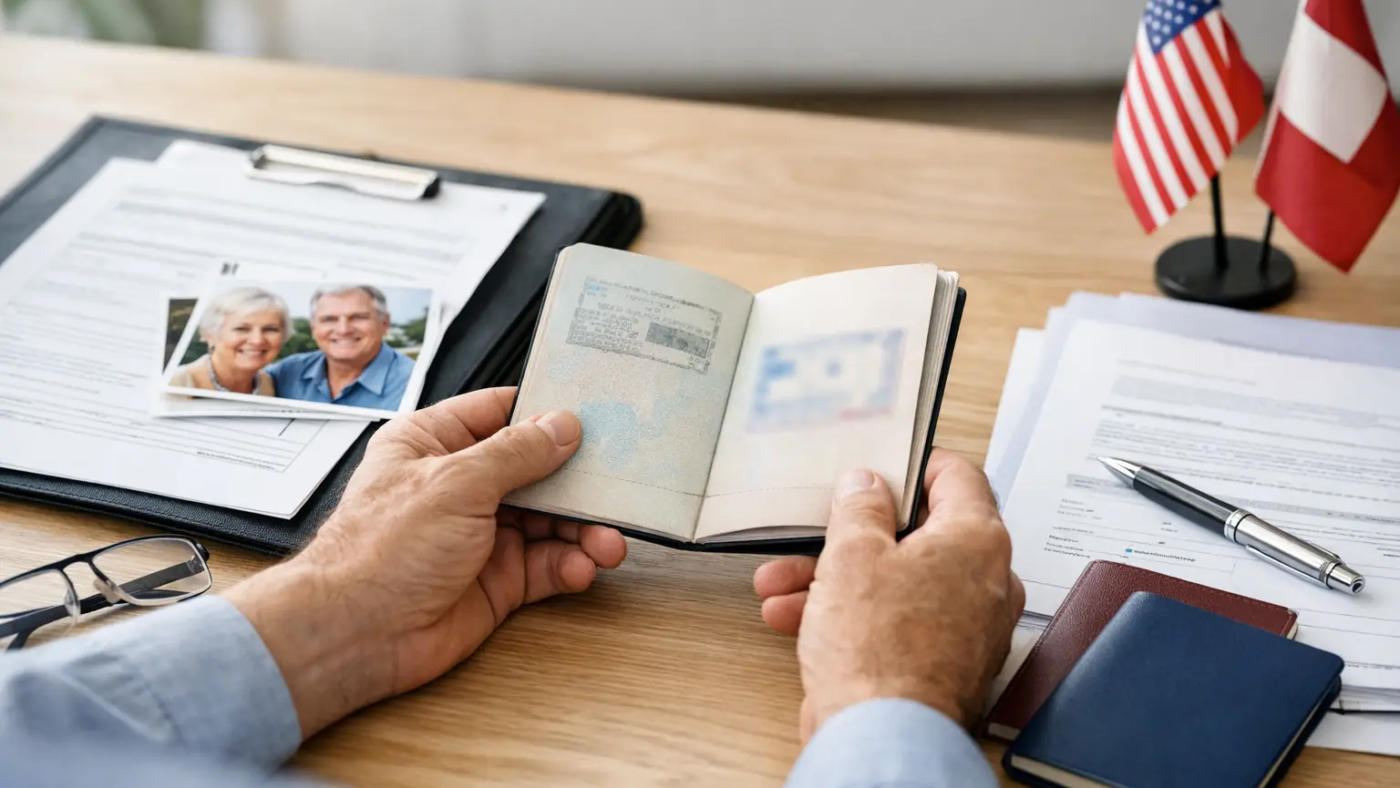
A parent visa application is built on a simple but deeply personal claim: that an adult child and a parent should be able to plan a future together. The documents needed for parent visa applications are what turn that claim into evidence an immigration authority can assess. Missing records, inconsistent dates, or documents submitted at the wrong stage can slow a case that may already involve long processing periods.
Requirements differ by destination, visa stream, and the parent’s individual history. This guide is primarily relevant to Australian parent visa pathways, where sponsorship, family relationship evidence, health, and character requirements are central. Families considering New Zealand or Malaysia should treat it as a planning framework rather than a substitute for the document rules of their chosen program.
Start with the right parent visa pathway
Before collecting paperwork, confirm the visa category. Australia offers several parent visa options, and each can have different eligibility rules, costs, queues, sponsorship steps, and document expectations. For example, contributory and non-contributory parent pathways have different financial commitments, while temporary arrangements may be available in limited circumstances.
The parent’s age, country of residence, health history, marital status, and whether other children live in Australia can all affect the assessment. In many Australian parent visa applications, the balance of family test is especially significant. This test examines where a parent’s children live and whether more of those children are settled in Australia than in any other single country.
Document collection should follow the pathway, not lead it. A well-organized file is useful, but it cannot correct an application lodged under the wrong visa category or before eligibility is clear.
Documents needed for a parent visa: the core file
Most applications begin with identity, relationship, and sponsorship records. The exact forms and supporting evidence can change, so applicants should always work from the current requirements for their visa subclass and circumstances. In broad terms, expect to prepare the following:
- A valid passport for each applicant, plus clear copies of identity pages, prior passports where relevant, national identity cards, and recent compliant photographs.
- Birth certificates for the parent and sponsoring child, showing the family connection. If names have changed, include marriage certificates, divorce decrees, adoption records, deed polls, or other official name-change evidence.
- Evidence of the sponsoring child’s Australian citizenship, permanent residency, or eligible New Zealand citizen status, as applicable. This may include a passport, citizenship certificate, or visa records.
- Sponsorship documents and evidence that the sponsor is usually resident in Australia. Depending on the case, this can include address records, employment information, tax documents, and proof of legal status.
- Evidence for the balance of family test, including birth certificates or identity records for all of the parent’s children, their current residential addresses, and evidence showing where each child is settled.
- Marriage, partnership, separation, or death certificates where they explain the applicant’s current family composition or prior names.
Do not treat these as merely administrative attachments. A birth certificate can establish a parent-child relationship, but a variation in spelling between a passport and a certificate can raise a question that needs its own explanation. Address each inconsistency directly with official supporting records and a clear written statement where appropriate.
Evidence of every child matters
The balance of family assessment is often where families underestimate the documentation burden. Immigration authorities may need evidence about every child of the parent, including adult children who are estranged, live overseas, or are not involved in the application.
Prepare a complete family map before lodging. Record each child’s full name, date of birth, country of residence, citizenship or immigration status, and relationship to the parent. Then gather reliable proof for each point. If a record cannot reasonably be obtained, explain why and provide alternative evidence where possible.
This can be sensitive for blended families, adopted children, stepchildren, and families with incomplete civil records. The answer is not to leave difficult relationships off the application. Full disclosure, paired with a well-documented explanation, is usually the stronger approach.
Health and character documents require careful timing
Health and character requirements are not always submitted on the day of application. In some cases, the immigration authority will issue instructions once preliminary assessment is underway. Completing medical examinations or obtaining police certificates too early can create avoidable cost or result in records expiring before they are needed.
For character assessment, parents may be asked for police certificates from countries where they have lived for specified periods. Travel histories matter. A parent who has spent extended time working, studying, or caring for family in another country may need records beyond their country of citizenship.
Health examinations are completed through approved processes. Be open about ongoing medical conditions, prior surgeries, and medications. A medical issue does not automatically end a visa application, but incomplete disclosures can create far greater difficulties than a properly explained health history.
Financial and assurance-related evidence
Parent visa pathways can involve financial responsibilities for the sponsor and, in some circumstances, an Assurance of Support. The documents required depend on the visa and the stage of processing. A sponsor or assurer may need to demonstrate income, provide tax information, and meet other financial criteria.
Keep financial material current. Older tax returns may show historical income, but recent payslips, employment letters, business records, or bank evidence may also be necessary to show the person’s present position. Self-employed sponsors should allow extra time to organize formal financial records, particularly where income is spread across a business, trust, or multiple jurisdictions.
Financial capacity is not a box to tick at the beginning and forget. Processing times can be substantial, and circumstances may change. A job change, relocation, new dependent, or change in household income should be considered promptly so the application remains accurate.
Prepare documents for formal review
A document can be genuine and still be unsuitable for submission if it is unreadable, incomplete, or not properly translated. Scan originals in color, make sure all edges and seals are visible, and retain the original documents securely. Avoid cropped phone photographs, password-protected files, and filenames that give no indication of what the record is.
Documents not in English generally need an appropriate English translation. Submit both the original-language document and its translation, along with translator details where required. Do not rely on informal translations by family members for official applications.
Organization also matters. Use a logical naming system such as “Parent Passport,” “Sponsor Citizenship Evidence,” or “Child 3 Residence Evidence.” A concise document index can help ensure that every claim made in forms has matching evidence. It also makes it easier to respond if further information is requested later.
Common gaps that delay parent visa applications
The most common problems are rarely dramatic. They are often small gaps repeated across a file: an omitted prior marriage, a child listed in one form but not another, a passport name that does not match a birth certificate, or overseas residence that has not been explained.
Another frequent issue is assuming the sponsor’s documents are enough. A parent visa application is a family-based case, so the records must establish both the sponsor’s eligibility and the parent’s broader family circumstances. Where there is uncertainty, a short, factual explanation supported by documents is far more effective than leaving the decision-maker to infer the answer.
Families should also be cautious about relying on checklists found online without checking their date and visa relevance. Immigration rules, forms, fees, and evidentiary processes can change. A checklist for a visitor visa, partner visa, or an older parent visa process may omit details that are essential to the current application.
Build the file before the deadline becomes urgent
The strongest parent visa files are assembled with patience. Start by requesting civil records that may take months to obtain, map the parent’s family and residence history, and flag any inconsistency before it appears in an application form. This is particularly valuable for families with records issued across several countries.
Living Without Borders can help families assess the appropriate pathway, identify evidentiary risks, and prepare a document strategy aligned with the applicable requirements. Professional guidance is especially useful where the balance of family test, sponsorship, financial evidence, prior refusals, or complex family structures are involved.
A parent visa is more than a collection of certificates. It is a carefully evidenced plan for family reunification. Give the documents the time and attention they deserve, and your family can move forward with a clearer, more confident foundation.